
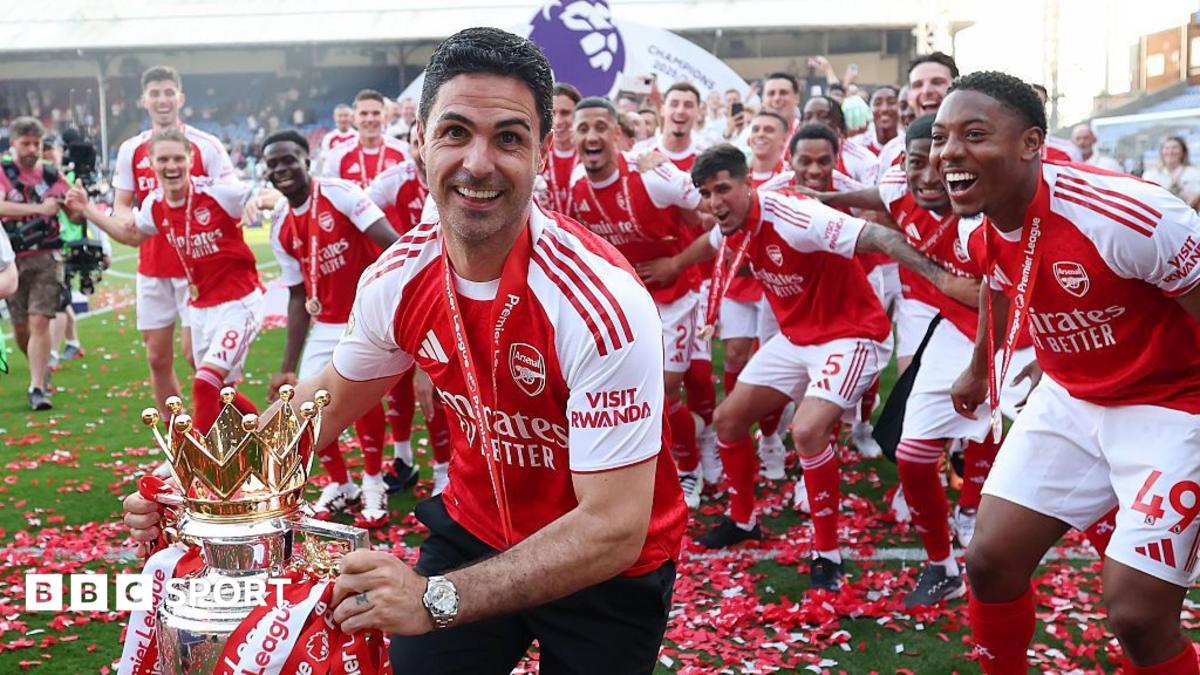
Arsenal had more than 20 players on shortlist to capitalise on title win
Arsenal’s Summer Blueprint: Inside the Club’s Extensive Shortlist to Build on Premier League Glory
The champagne has barely dried in the corridors of the Emirates Stadium, but the strategic gears at Arsenal are already turning at full speed. Following the culmination of a triumphant Premier League campaign, the north London club is refusing to rest on its laurels. Instead, the hierarchy has assembled a remarkably deep pool of potential recruits—reportedly numbering more than twenty players—as they look to capitalise on their newly acquired status as champions of England.
According to senior football correspondent Sami Mokbel, this summer’s transfer operation is being treated as a critical inflection point. The club’s decision-makers understand that winning a title is one thing; sustaining a dynasty is quite another. With that in mind, the recruitment team has cast a wide net, compiling a comprehensive shortlist designed to ensure that squad depth and starting-calibre quality are not mutually exclusive.
The Strategy Behind the Extensive Shortlist
In modern football, the transfer window is rarely a linear process. Clubs seldom pursue a single target and then proceed to a second. More often, they identify several viable options for each position, aware that market conditions, player availability, and financial pragmatism can shift the landscape within days.
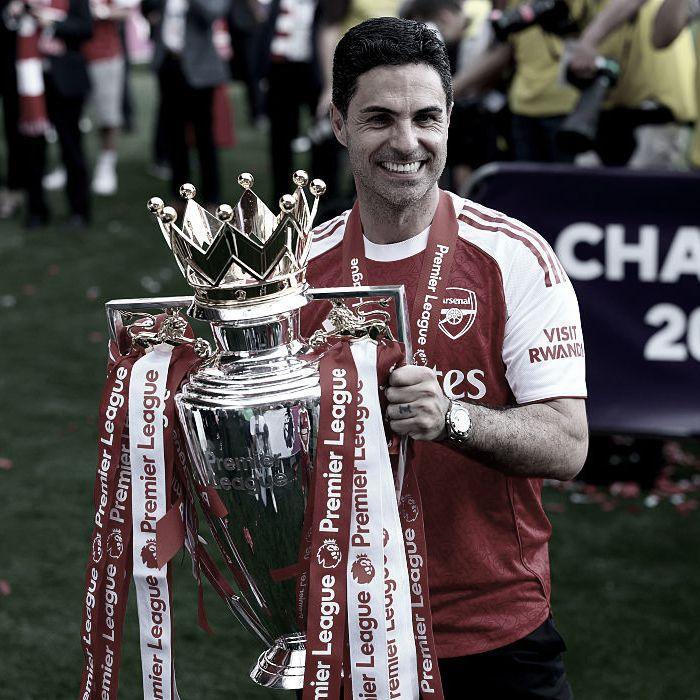
Arsenal’s approach this summer appears to embody that philosophy more than ever. The revelation that over twenty names are being monitored suggests a multi-layered strategy. It is not merely a case of identifying the best players in the world; it is about identifying the *right* players who fit Mikel Arteta’s specific tactical framework and the club’s wage structure.
By maintaining a shortlist of this magnitude, Arsenal may be attempting to insulate themselves against the disappointment of missing out on a primary target. If a marquee signing falls through, there is already a Plan B, C, and D that has been thoroughly vetted. This operational flexibility could prove decisive in a window where rival clubs across Europe are also eager to strengthen.
Capitalising on Momentum: The Art of the “Summer Bounce”
There is a well-documented phenomenon in elite sport where the summer following a major triumph is viewed as a “seller’s market” for the champions. Agents and selling clubs often assume that the newly crowned title winners possess deep pockets and a willingness to overpay. Equally, however, the pulling power of the club increases exponentially.
Arsenal may now find it easier to attract elite talent who previously harboured doubts about the project’s trajectory. The allure of joining a winning side—as opposed to a promising one—cannot be underestimated in contract negotiations. This dynamic likely forms the backdrop of Arsenal’s entire recruitment drive. They are not simply shopping; they are leveraging their status as the team to beat.
The danger, of course, lies in complacency. History is littered with champions who believed their squad was “good enough” and subsequently fell behind the chasing pack. By keeping a vast pool of potential additions under review, Arsenal’s leadership appears to be actively guarding against that specific psychological trap.

Navigating the Financial and Tactical Landscape
While ambition is high, the reality of Profit and Sustainability Rules (PSR) looms large over every Premier League club’s summer business. Having a list of twenty-plus names does not mean Arsenal will sign twenty players; it means they have twenty avenues to explore before committing their budget.
Tactically, the squad is in a relatively healthy position, but the physical demands of competing in the Premier League, Champions League, and domestic cups require a rotation policy that many top squads struggle to maintain. Arsenal’s recruitment team will likely be prioritising not just ability, but durability and versatility.
Depth Versus Quality: A Delicate Balance
The most successful teams in the modern era are built on a foundation of fierce internal competition. If a starting player knows that a world-class alternative is waiting on the bench, their performances tend to remain at a consistently high level.
Arsenal’s extensive shortlist suggests they are looking for players who can genuinely challenge for starting spots rather than mere squad fillers. This is a crucial distinction. A player who is content to sit on the bench might not possess the mentality required to push the team forward. Conversely, a player who arrives expecting to start will force the existing incumbents to raise their own standards.
This approach, however, carries inherent risks. Managing a squad with multiple high-profile players vying for limited positions can lead to dressing-room unrest if not handled carefully. The management’s man-management skills will be just as vital as the transfer committee’s scouting acumen over the coming months.
Market Realities and Potential Outcomes
It is worth noting that the publication of a shortlist does not guarantee a flurry of activity. The transfer market is notoriously volatile. Clubs across Europe are guarded with their prized assets, and asking prices often inflate significantly when they know a wealthy Premier League champion is circling.
Furthermore, the European market may offer opportunities that are not immediately apparent. Players operating in other leagues who have been tracked for years might suddenly become available due to contractual situations or changes in their own club’s financial circumstances. Arsenal’s wide-ranging list likely includes a mix of “unavailable” superstars, realistic targets, and intriguing wildcards.
The Importance of the Pre-Season Window
There is a practical urgency to Arsenal’s planning. Ideally, the club would prefer to conclude the majority of their transfer business before the squad departs for pre-season tours. Early integration allows new signings to absorb Arteta’s tactical demands without the pressure of competitive fixtures.
Yet, the reality of many transfer windows is that deals drag on. Negotiations between clubs can be complicated by intermediaries, player wage demands, and the domino effect of other transfers across Europe. It is possible that Arsenal’s business will extend deep into August, regardless of the clarity of their shortlist.
The size of the list does, however, provide a strategic advantage in negotiations. By having multiple irons in the fire, Arsenal are less likely to be held to ransom by a single selling club who assumes they have no alternatives.
Analysis: Strengthening From a Position of Power
From a tactical perspective, the summer window provides an opportunity to address specific nuances in the squad. Without speculating on individual playing positions in a way that lacks basis, it is valid to analyse that prolonged title challenges require an avoidance of injury crises. The squad depth built this summer could be the deciding factor in whether the club can compete on all fronts next season.
The psychological aspect also deserves attention. The “champion’s mindset” is a fragile commodity. Surrounding the current squad with hungry, ambitious additions who have yet to win major honours can reignite the competitive fire that naturally dims slightly after achieving a lifelong goal.
Conversely, the club must be wary of disrupting the harmony that propelled them to the title. The dressing room dynamic is delicate. The leadership group will need to welcome new faces with open arms rather than viewing them as threats.
Looking at the Wider Premier League Picture
While Arsenal celebrate their success, the chasing pack will be spending significant sums to close the gap. The standard of the Premier League next season is likely to be ferociously high, with several traditional powerhouses expected to embark on significant rebuilds.
To stay ahead of the curve, Arsenal cannot stand still. The gap between first and fourth place can be agonisingly thin. Every marginal gain—whether in the starting eleven or the final spot on the bench—could be worth several points across a gruelling nine-month campaign.
Their response to winning the title will define their reign. A strong window could herald the start of a sustained period of dominance; a weak one could relegate them to the role of one-season wonders.
Conclusion: A Summer of Strategic Patience
Arsenal’s decision to maintain a shortlist of more than twenty players signals a mature, forward-thinking approach to squad management. It is a recognition that the transfer market is a complex chess game, where patience and preparedness are often rewarded over impulsive spending.
The title win has provided the platform, but the work is just beginning. While the club is unlikely to sign the entire list, the sheer breadth of their preparation demonstrates a clear intent: they do not intend to merely defend their crown; they intend to grow stronger. The coming weeks will test their negotiation skills, their financial discipline, and ultimately, their ability to turn a carefully curated list into a squad capable of writing its own history.
FAQ
Why does Arsenal have such a long transfer shortlist?
Having more than twenty players under consideration allows Arsenal to adapt quickly to the volatile nature of the transfer market. If a primary target becomes unattainable due to cost or competition, the club has already assessed multiple viable alternatives, ensuring they are not left without options late in the window.
Does a large shortlist mean Arsenal will sign many players?
Not necessarily. The shortlist represents a pool of potential targets, not a definitive list of signings. The actual number of arrivals will depend on player sales, the club’s budget, and financial fair play constraints, as well as the availability of the specific players they choose to pursue formally.
How does winning the title affect a club’s summer recruitment?
Winning the league enhances a club’s pulling power, making it easier to attract elite players who want to win trophies. However, it also brings scrutiny and higher asking prices from other clubs. Success enables a strategic shift from buying potential to buying proven quality that can help the team sustain its success domestically and in Europe.